Everything Importers, Distributors and Repair Professionals Need to Know
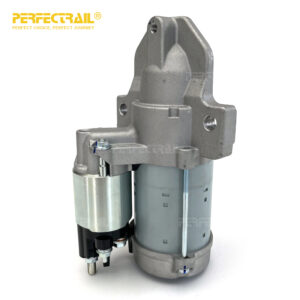
Every internal combustion engine relies on one critical electrical component to begin the combustion process—the starter motor. Without it, even a perfectly functioning engine cannot start. Although drivers only use the starter motor for a few seconds during each ignition cycle, it must generate extremely high torque to crank the engine under various operating conditions.
For Land Rover vehicles, starter motors are particularly important because many models are equipped with high-compression diesel or large-displacement gasoline engines that demand exceptional starting performance. Whether operating in freezing winter temperatures, remote off-road environments, or heavy commercial applications, a reliable starter motor is essential for dependable vehicle operation.
As Land Rover vehicles continue aging across global markets, replacement demand for starter motors has grown steadily. Fleet operators, independent repair workshops, wholesalers, and automotive parts distributors are increasingly seeking high-quality aftermarket starter motors that combine OEM-equivalent performance with competitive pricing and stable supply.
Google search trends show sustained interest in topics such as “starter motor symptoms,” “starter motor replacement,” “bad starter motor signs,” “starter motor vs starter solenoid,” and “starter motor not working.” These searches reflect the growing maintenance needs of an expanding global vehicle parc.
For professional B2B buyers, selecting the right supplier involves more than simply comparing prices. Product quality, fitment accuracy, production consistency, export experience, and inventory flexibility have become key purchasing considerations.
As a professional supplier specializing in Land Rover aftermarket parts, PERFECTRAIL partners with qualified manufacturers to supply dependable starter motors and a comprehensive range of electrical components for customers worldwide. With more than 16 years of automotive export experience, strict quality control, and efficient mixed-container consolidation, PERFECTRAIL helps importers and distributors simplify procurement while reducing supply chain risk.
This guide explains everything professional buyers should know about starter motors—from their working principles and internal components to common failure symptoms, purchasing strategies, and how to choose a reliable aftermarket supplier.
Table of Contents
- What Is a Starter Motor?
- How Does a Starter Motor Work?
- Main Components of a Starter Motor
- Types of Starter Motors
- Common Symptoms of Starter Motor Failure
- Land Rover Applications and Replacement Demand/a>
- OEM vs Aftermarket Starter Motors
- How to Choose a High-Quality Starter Motor
- B2B Buying Guide for Importers and Distributors
- Why Choose PERFECTRAIL?
- Frequently Asked Questions
- Conclusion
1. What Is a Starter Motor?
The starter motor is a high-torque electric motor responsible for cranking an internal combustion engine during the starting process. It converts electrical energy from the vehicle’s battery into mechanical rotation, allowing the crankshaft to turn until combustion becomes self-sustaining.
When the driver turns the ignition key or presses the start button, electrical current flows from the battery to the starter solenoid. The solenoid simultaneously performs two essential tasks:
- It pushes the starter pinion gear into engagement with the flywheel or flexplate.
- It connects the high-current electrical circuit that powers the starter motor.
Once engaged, the starter motor rotates the flywheel, causing the engine crankshaft to turn. As air and fuel enter the combustion chambers and ignition occurs, the engine begins running under its own power. The starter gear then automatically disengages to prevent damage from the engine’s much higher rotational speed.
Although the starter motor operates for only a few seconds during each engine start, it experiences extremely high electrical loads—often drawing 200 to 500 amps—and must withstand repeated heat cycles, vibration, and environmental exposure throughout its service life.
Because of these demanding operating conditions, the starter motor is considered a wear component. Over time, internal brushes, bearings, armatures, solenoids, and pinion gears gradually wear, leading to starting difficulties and eventual replacement.
For distributors and wholesalers, starter motors represent a stable, high-demand aftermarket category, particularly in regions where Land Rover vehicles are frequently used for towing, off-road driving, commercial fleets, or long-term ownership.
Primary Functions of a Starter Motor
A starter motor performs several critical functions within the vehicle’s starting system:
- Converts battery power into mechanical torque
- Cranks the engine during ignition
- Engages the flywheel through the starter pinion gear
- Supports reliable engine starting in various operating conditions
- Disengages automatically once the engine starts
- Protects the flywheel using an overrunning clutch mechanism
Without a properly functioning starter motor, the engine cannot rotate fast enough to initiate combustion, regardless of battery condition or fuel availability.
Why Is the Starter Motor a High-Demand Aftermarket Component?
Starter motors experience wear every time the engine is started. Over thousands of ignition cycles, internal components gradually deteriorate due to:
- High electrical current
- Heat generated during cranking
- Mechanical impact between the pinion gear and flywheel
- Carbon brush wear
- Bearing fatigue
- Solenoid contact erosion
Land Rover vehicles often operate in demanding environments such as construction sites, off-road trails, farms, deserts, and cold climates, placing additional stress on the starting system.
As a result, replacement demand remains strong throughout the vehicle’s service life.
Why the Global Aftermarket Continues to Grow
Several long-term market trends are driving sustained demand for aftermarket starter motors:
- Increasing average vehicle age
- Expansion of independent repair workshops
- Rising acceptance of premium aftermarket electrical components
- Longer vehicle ownership cycles
- Growth of Land Rover ownership in emerging markets
Professional buyers increasingly prioritize suppliers that offer OEM-equivalent quality, reliable fitment, competitive pricing, and efficient mixed-container purchasing solutions.
For importers and distributors, starter motors remain one of the most important high-turnover products within the Land Rover electrical parts aftermarket.
2. How Does a Starter Motor Work?
Although a starter motor operates for only a few seconds each time the engine starts, it performs one of the most demanding tasks in the entire electrical system. It must instantly convert high-current electrical energy from the battery into powerful mechanical torque capable of rotating the engine’s crankshaft.
Understanding how a starter motor works helps technicians diagnose starting problems more accurately and enables distributors to better understand product quality differences among suppliers.
Step 1 – The Driver Activates the Ignition
The starting process begins when the driver:
- Turns the ignition key
- Presses the Start/Stop button
- Activates the remote start system
A low-current electrical signal is sent from the ignition switch or ECU to the starter solenoid.
Step 2 – The Starter Solenoid Engages
The starter solenoid acts as both:
- An electromagnetic switch
- A mechanical actuator
Once energized, the solenoid performs two important functions simultaneously.
It Closes the High-Current Circuit
The solenoid connects battery power directly to the starter motor.
Because starter motors require extremely high current—often between 200 and 500 amps—the ignition switch alone cannot safely carry this electrical load.
It Pushes the Pinion Gear Forward
At the same time, the solenoid moves the starter drive assembly.
The starter pinion gear slides forward along the shaft until it meshes with the engine flywheel (manual transmission) or flexplate (automatic transmission).
Proper gear engagement is essential for efficient torque transmission.
Step 3 – The Starter Motor Begins Rotating
Once battery current reaches the motor, the internal armature begins rotating rapidly.
Inside the starter motor:
- Magnetic fields are generated.
- The armature spins at high speed.
- Torque is transferred through the reduction gear (if equipped).
- The starter pinion rotates the flywheel.
Because of gear reduction, the motor can generate sufficient torque to rotate even large diesel engines.
Step 4 – The Engine Cranks
As the flywheel rotates, the crankshaft begins turning.
This movement enables:
- Air intake
- Fuel injection
- Compression
- Ignition
Once combustion becomes self-sustaining, the engine starts running independently.
Step 5 – Automatic Disengagement
After the engine starts, the ignition circuit cuts power to the starter solenoid.
The return spring retracts the pinion gear.
An overrunning clutch (also called a one-way clutch) prevents the running engine from driving the starter motor at excessive speed.
This protection mechanism greatly extends starter motor service life.
Why Starter Motors Require High Torque
Unlike many electric motors, a starter motor must overcome several sources of resistance simultaneously:
- Engine compression
- Internal friction
- Cold engine oil viscosity
- Accessory drive resistance
- Transmission drag
Large Land Rover diesel engines require particularly high starting torque, making starter motor quality especially important.
Typical Starting Sequence
Driver Turns Key │ ▼ Ignition Switch Sends Signal │ ▼ Starter Solenoid Activates │ ▼ Pinion Gear Engages Flywheel │ ▼ Battery Supplies High Current │ ▼ Starter Motor Rotates │ ▼ Engine Cranks │ ▼ Combustion Begins │ ▼ Starter Disengages Automatically3. Main Components of a Starter Motor
Although a starter motor appears to be a single unit, it consists of multiple precision-engineered components working together under extremely demanding conditions.
Understanding these internal components helps buyers distinguish premium aftermarket products from lower-quality alternatives.
3.1 Starter Solenoid
The starter solenoid is both an electrical relay and a mechanical actuator.
Its responsibilities include:
- Closing the high-current electrical circuit
- Moving the starter pinion gear
- Engaging the flywheel
- Disconnecting power after engine start
Because the solenoid operates every time the engine starts, its contact surfaces gradually wear over time.
3.2 Armature
The armature is the rotating core of the starter motor.
Constructed from laminated steel and copper windings, it converts electrical energy into rotational movement.
High-quality armatures feature:
- Precision-balanced construction
- High-purity copper windings
- Excellent insulation
- Heat-resistant varnish coating
A properly balanced armature minimizes vibration while maximizing efficiency.
3.3 Carbon Brushes
Carbon brushes transfer electrical current from the stationary housing to the rotating armature.
Since brushes maintain constant contact with moving components, they naturally wear during operation.
Premium brushes provide:
- Stable electrical conductivity
- Low friction
- Long service life
- Consistent current transfer
Brush wear remains one of the most common reasons for starter motor replacement.
3.4 Commutator
The commutator works together with the carbon brushes to switch electrical current through the armature windings.
A smooth commutator surface ensures:
- Efficient electrical transfer
- Reduced sparking
- Stable motor speed
- Lower brush wear
Poor machining or excessive wear may result in intermittent starting problems.
3.5 Pinion Gear
The starter pinion gear temporarily engages the engine flywheel.
During starting, it transfers torque from the starter motor to the engine.
Premium pinion gears feature:
- Heat-treated alloy steel
- Precision-machined gear teeth
- Excellent wear resistance
- Accurate gear geometry
Damaged gears may produce grinding noises during engine starting.
3.6 Overrunning Clutch (One-Way Clutch)
The overrunning clutch protects the starter motor after engine startup.
Once the engine speed exceeds starter speed, the clutch automatically disengages.
Its benefits include:
- Preventing motor overspeed
- Reducing gear damage
- Extending component life
- Protecting internal bearings
3.7 Bearings and Bushings
Bearings support the armature shaft while minimizing friction.
High-quality bearings improve:
- Rotational stability
- Noise reduction
- Durability
- Motor efficiency
Worn bearings often produce unusual noises during cranking.
3.8 Starter Housing
The housing protects all internal components while dissipating heat.
Most modern starter housings use:
- Die-cast aluminum
- High-strength aluminum alloy
Advantages include:
- Excellent corrosion resistance
- Lightweight construction
- Efficient cooling
- High structural strength
Component Quality Matters
Although two starter motors may appear identical externally, internal quality varies considerably.
Professional buyers should evaluate:
- Copper winding quality
- Brush material
- Solenoid reliability
- Bearing specification
- Gear hardening process
- Dynamic balancing
- Pressure and performance testing
High-quality components directly improve service life and reduce warranty costs.
4. Types of Starter Motors
Modern automotive starter motors have evolved significantly over the past several decades.
Today, several different technologies are used depending on engine size, vehicle design, and performance requirements.
4.1 Direct Drive Starter Motor
The direct drive starter is the traditional design used on many older vehicles.
The motor drives the pinion gear directly without gear reduction.
Advantages
- Simple construction
- Easy maintenance
- Lower manufacturing cost
- Proven reliability
Limitations
- Larger size
- Higher current consumption
- Lower torque-to-weight ratio
Many early Land Rover models utilized direct drive starters.
4.2 Gear Reduction Starter Motor
Modern Land Rover vehicles primarily use gear reduction starter motors.
An internal planetary gear set increases output torque while allowing the electric motor to rotate at higher speed.
Advantages
- Higher starting torque
- Lower current draw
- Smaller size
- Reduced weight
- Improved efficiency
Because of these advantages, gear reduction starters dominate today’s aftermarket.
4.3 Permanent Magnet Starter Motor
Permanent magnet starters replace traditional field coils with powerful permanent magnets.
Benefits include:
- Compact construction
- Improved efficiency
- Lower weight
- Reduced electrical consumption
These designs are increasingly common on modern passenger vehicles.
4.4 Heavy-Duty Starter Motors
Heavy-duty starters are designed for:
- Commercial vehicles
- Diesel engines
- Off-road vehicles
- Fleet applications
Characteristics include:
- Larger armatures
- Reinforced solenoids
- Heavy-duty bearings
- Increased torque output
Many Land Rover models operating under severe conditions require heavy-duty starter assemblies.
Comparison of Starter Motor Types
| Type | Advantages | Typical Applications |
|---|---|---|
| Direct Drive | Simple, reliable, economical | Older vehicles |
| Gear Reduction | High torque, compact, efficient | Most modern Land Rover models |
| Permanent Magnet | Lightweight, energy efficient | New-generation passenger vehicles |
| Heavy-Duty | Maximum durability, high torque | Commercial and off-road applications |
Which Type Is Best?
For most modern Land Rover applications, gear reduction starter motors offer the best balance of performance, durability, and efficiency.
However, the correct replacement always depends on:
- Vehicle model
- Engine type
- Production year
- Transmission configuration
- OEM reference number
Professional buyers should always verify compatibility before placing bulk orders.
Market Trends
Global demand for starter motors continues to grow as:
- Vehicle fleets age
- Repair volumes increase
- Independent workshops expand
- Premium aftermarket electrical components gain wider acceptance
For B2B buyers, maintaining inventory across popular Land Rover starter motor applications creates long-term sales opportunities and supports consistent aftermarket demand.
5. Common Symptoms of Starter Motor Failure
One of the most frequently searched topics related to vehicle starting systems is “bad starter motor symptoms.” Because the starter motor is responsible for cranking the engine, even a minor fault can prevent the vehicle from starting or cause intermittent starting issues.
Recognizing the early warning signs helps technicians diagnose problems accurately and enables distributors to better understand replacement demand in the aftermarket.
Below are the most common symptoms associated with a failing starter motor.
5.1 Engine Will Not Crank
The most obvious sign of a faulty starter motor is when the engine refuses to crank after the ignition is activated.
The dashboard lights may illuminate normally, but the engine does not rotate.
Possible causes include:
- Failed starter motor
- Defective starter solenoid
- Worn carbon brushes
- Internal armature damage
- Burned electrical contacts
Before replacing the starter motor, technicians should also verify battery condition and electrical connections.
5.2 Clicking Noise When Turning the Key
A single click—or repeated rapid clicking—during engine start is one of the most common complaints.
This usually indicates that:
- The starter solenoid is receiving power.
- The motor itself cannot rotate.
- Battery voltage may be insufficient.
- Internal starter contacts are worn.
Although a weak battery can produce similar symptoms, persistent clicking after battery testing often points to starter motor failure.
5.3 Slow Engine Cranking
A healthy starter motor should rotate the engine quickly and consistently.
If cranking becomes noticeably slower than normal, possible causes include:
- Worn brushes
- High internal resistance
- Bearing wear
- Weak armature
- Electrical losses
Slow cranking becomes especially noticeable during cold weather.
5.4 Grinding Noise During Starting
A grinding sound often indicates improper engagement between the starter pinion gear and the flywheel.
Possible causes include:
- Damaged pinion gear
- Worn flywheel ring gear
- Faulty solenoid engagement
- Misaligned starter installation
Ignoring this symptom may eventually damage both the starter gear and flywheel, resulting in much higher repair costs.
5.5 Starter Motor Continues Running After Engine Starts
Normally, the starter disengages immediately after the engine begins running.
If it continues operating, possible causes include:
- Sticking solenoid
- Damaged return spring
- Faulty ignition switch
- Defective overrunning clutch
Continued engagement can quickly destroy the starter motor.
5.6 Intermittent Starting Problems
Some starter motors fail gradually rather than suddenly.
Drivers may notice:
- Vehicle starts normally one day
- Fails the next
- Starts after several attempts
- Starts after tapping the starter housing
These intermittent problems usually indicate worn brushes or deteriorating internal electrical contacts.
5.7 Burning Smell or Smoke
An overheated starter motor may emit:
- Burning electrical odor
- Smoke
- Excessive heat
Possible causes include:
- Internal short circuit
- Extended cranking time
- Locked armature
- High electrical resistance
Once overheating occurs, immediate inspection is recommended to avoid further damage.
5.8 Dashboard Power Is Normal but Engine Does Not Start
Sometimes all electrical systems appear normal:
- Lights work
- Dashboard functions normally
- Radio operates
- Battery tests good
Yet the engine refuses to crank.
In many of these cases, the starter motor or starter solenoid is the root cause.
Professional diagnosis should include voltage testing at the starter terminals before replacement.
Summary of Common Symptoms
| Symptom | Possible Cause |
|---|---|
| Engine will not crank | Failed starter motor or solenoid |
| Clicking sound | Solenoid engagement failure or weak battery |
| Slow cranking | Brush wear, bearing wear, armature damage |
| Grinding noise | Damaged pinion or flywheel |
| Starter keeps running | Faulty solenoid or overrunning clutch |
| Intermittent starting | Worn electrical contacts |
| Burning smell | Internal overheating or short circuit |
| Dashboard powered but engine won’t crank | Starter motor electrical failure |
Understanding these symptoms enables distributors, repair shops, and fleet operators to identify replacement opportunities before complete starter failure occurs.
6. What Causes Starter Motor Failure?
Starter motors are engineered to withstand thousands of engine starts, but continuous exposure to electrical load, heat, vibration, and mechanical stress eventually leads to wear.
Understanding the root causes of failure helps technicians improve diagnostics and allows B2B buyers to source products with greater long-term reliability.
6.1 Carbon Brush Wear
Carbon brushes are consumable components.
Every time the starter operates, the brushes transfer electrical current to the rotating commutator.
Over thousands of starting cycles, they gradually wear down.
Symptoms include:
- Slow cranking
- Intermittent starting
- Complete starter failure
Brush wear remains one of the leading reasons for starter motor replacement.
6.2 Solenoid Contact Wear
Each engine start creates a high-current electrical arc across the solenoid contacts.
Over time, these contacts become:
- Pitted
- Burned
- Oxidized
- Worn
As resistance increases, the starter motor may receive insufficient current.
6.3 Bearing or Bushing Wear
The armature rotates at very high speed.
Bearings and bushings gradually wear due to:
- Continuous rotation
- Heat
- Dirt contamination
- Insufficient lubrication
Worn bearings may produce:
- Whining noises
- Grinding sounds
- Excessive vibration
6.4 Armature Damage
The armature experiences repeated high-current loading.
Potential failures include:
- Open circuits
- Short circuits
- Damaged windings
- Overheating
- Mechanical imbalance
Armature failure usually requires complete starter replacement.
6.5 Pinion Gear Wear
Repeated engagement with the flywheel gradually wears the pinion gear teeth.
Excessive wear may cause:
- Gear slipping
- Grinding noise
- Failure to crank
- Flywheel damage
Heat-treated gears significantly improve service life.
6.6 Electrical Overload
Starter motors require extremely high current.
Poor electrical conditions may accelerate failure, including:
- Corroded battery terminals
- Loose wiring
- Low battery voltage
- Faulty grounding
- Excessive voltage drop
Maintaining the vehicle’s electrical system helps extend starter life.
6.7 Poor Manufacturing Quality
Not all aftermarket starter motors are built to the same standard.
Low-quality products may suffer from:
- Inferior copper windings
- Weak magnets
- Poor insulation
- Low-grade bearings
- Inconsistent machining
- Insufficient testing
These issues often result in early failures and higher warranty rates.
For professional distributors, selecting experienced manufacturers is essential to maintaining customer satisfaction.
Why Manufacturing Quality Matters
Although starter motors may look similar externally, internal component quality directly affects durability and performance.
Professional buyers should prioritize suppliers that provide:
- High-purity copper windings
- Precision-balanced armatures
- Heavy-duty solenoids
- OEM-equivalent dimensions
- Dynamic performance testing
- Strict quality control
Reliable manufacturing reduces returns, minimizes warranty costs, and strengthens long-term customer relationships.
7. Land Rover Applications and Replacement Demand
Land Rover vehicles are designed for durability and are widely used in demanding environments such as off-road expeditions, construction sites, agriculture, emergency services, and commercial fleets. Many remain in service for well over 200,000 kilometers (125,000 miles), creating sustained demand for replacement electrical components.
Among these components, the starter motor is one of the most frequently replaced due to its repeated exposure to high electrical loads and harsh operating conditions.
Common Land Rover Models Requiring Starter Motor Replacement
High aftermarket demand is commonly seen in the following models:
- Land Rover Defender 90 / 110 / 130
- Discovery I (LJ)
- Discovery II (L318)
- Discovery 3 (L319)
- Discovery 4 (L319)
- Freelander
- Freelander 2
- Range Rover Classic
- Range Rover P38
- Range Rover L322
- Range Rover Sport (L320)
- Range Rover Evoque
- Range Rover Velar (certain powertrain configurations)
Different engines and transmission combinations may require different starter motor specifications, making OEM reference verification essential during procurement.
Why Replacement Demand Continues to Increase
Several long-term market trends support steady global demand:
Aging Vehicle Fleet
As Land Rover vehicles remain on the road longer, electrical wear components such as starter motors naturally require replacement.
Expansion of Independent Repair Workshops
Independent garages increasingly perform repairs on out-of-warranty Land Rover vehicles and often prefer high-quality aftermarket starter motors due to their cost-effectiveness and availability.
Growth of Premium Aftermarket Products
Advances in manufacturing technology have enabled premium aftermarket starter motors to deliver OEM-level performance while offering distributors better pricing and healthier profit margins.
Severe Operating Conditions
Many Land Rover vehicles are used for:
- Off-road driving
- Heavy towing
- Mountain routes
- Cold-weather operation
- Commercial transportation
These demanding environments accelerate wear on the starting system and increase replacement frequency.
Stable Global Aftermarket Demand
For importers and distributors, starter motors represent a high-turnover electrical product category with consistent demand across Europe, North America, Australia, the Middle East, Africa, and emerging markets.
Maintaining inventory of popular Land Rover starter motor applications helps improve service levels, reduce lead times, and strengthen long-term customer relationships.
8. OEM vs Aftermarket Starter Motors
When purchasing starter motors, one of the most common questions among distributors, wholesalers, and repair shops is whether to choose OEM (Original Equipment Manufacturer) parts or high-quality aftermarket alternatives.
Both options have advantages, and the best choice depends on market positioning, customer expectations, and procurement strategy.
For professional B2B buyers, factors such as product consistency, inventory availability, pricing, and supply chain reliability are often just as important as the brand itself.
OEM Starter Motors
OEM starter motors are manufactured according to the original vehicle manufacturer’s specifications and are typically supplied through authorized dealer networks.
Advantages
-
Guaranteed OEM fitment
-
Factory-approved engineering standards
-
Proven reliability
-
Strong brand recognition
-
Lower installation risk
Limitations
However, OEM products also present several challenges for distributors and importers:
-
Higher purchasing costs
-
Longer lead times
-
Limited inventory flexibility
-
Lower profit margins
-
Less suitable for mixed-container sourcing
As Land Rover vehicles age, many repair shops increasingly seek premium aftermarket alternatives that offer comparable performance at more competitive prices.
Premium Aftermarket Starter Motors
Modern aftermarket manufacturing has improved dramatically over the past decade.
High-quality aftermarket starter motors now feature:
-
High-purity copper windings
-
Precision-balanced armatures
-
Heavy-duty solenoids
-
CNC-machined components
-
Heat-treated pinion gears
-
Corrosion-resistant housings
-
Dynamic performance testing
When sourced from qualified manufacturers, these products can provide excellent reliability while offering distributors greater purchasing flexibility.
Advantages for B2B Buyers
Professional distributors often prefer premium aftermarket starter motors because they provide:
-
More competitive pricing
-
Higher gross margins
-
Faster availability
-
Flexible MOQ
-
Stable supply
-
Broad vehicle coverage
These advantages are especially valuable for importers serving independent repair workshops and aftermarket retailers.
OEM vs Aftermarket Comparison
| Feature | OEM Parts | Premium Aftermarket |
| Vehicle Fitment | Excellent | OEM Equivalent |
| Product Quality | Excellent | Excellent (Qualified Manufacturers) |
| Purchase Cost | High | Competitive |
| Delivery Lead Time | Longer | Shorter |
| Inventory Flexibility | Limited | High |
| Mixed Container Purchasing | Limited | Excellent |
| Profit Margin | Lower | Higher |
| Supply Stability | Dealer Dependent | Factory Supported |
| Suitable for B2B Distribution | Moderate | Excellent |
Which Option Is Better?
For warranty repairs under manufacturer programs, OEM parts are generally preferred.
For the independent aftermarket, however, premium aftermarket starter motors have become increasingly popular because they combine reliable performance with lower procurement costs and stronger commercial flexibility.
For wholesalers and distributors, choosing a supplier with strict quality control and stable manufacturing capability is often more important than simply choosing between OEM and aftermarket branding.
9. How to Choose a High-Quality Starter Motor
Not all starter motors are manufactured to the same standard. While many products appear similar externally, differences in materials, electrical components, machining accuracy, and testing procedures can significantly affect durability and customer satisfaction.
Below are the key factors professional buyers should evaluate.
9.1 High-Purity Copper Windings
Copper windings determine the motor’s electrical efficiency and torque output.
High-quality windings provide:
-
Stronger starting torque
-
Lower heat generation
-
Improved energy efficiency
-
Longer service life
Low-quality copper may lead to overheating and premature failure.
9.2 Precision-Balanced Armature
A properly balanced armature reduces vibration and improves rotational stability.
Benefits include:
-
Smoother operation
-
Reduced bearing wear
-
Lower noise levels
-
Improved durability
9.3 Heavy-Duty Starter Solenoid
The solenoid handles extremely high current during every engine start.
Professional buyers should look for:
-
Reinforced contact materials
-
Strong electromagnetic force
-
Reliable engagement
-
Long contact life
Weak solenoids are a common source of intermittent starting problems.
9.4 Heat-Treated Pinion Gear
The starter pinion repeatedly engages the flywheel under heavy load.
A high-quality gear should feature:
-
Heat-treated alloy steel
-
Precision-machined teeth
-
Excellent wear resistance
-
Accurate gear geometry
Proper gear hardening significantly extends service life.
9.5 Corrosion-Resistant Housing
Land Rover vehicles often operate in:
-
Off-road environments
-
Coastal regions
-
Snowy climates
-
High-humidity areas
A corrosion-resistant aluminum housing helps protect the starter motor and maintain long-term reliability.
9.6 Dynamic Performance Testing
Reliable manufacturers perform performance testing on production batches to verify:
-
Torque output
-
Current draw
-
Rotational speed
-
Solenoid operation
-
Noise levels
-
Electrical stability
Testing helps ensure consistent product quality.
9.7 OEM-Compatible Dimensions
Accurate dimensions are essential for proper installation.
Professional buyers should verify:
-
Mounting positions
-
Gear offset
-
Pinion tooth count
-
Electrical connections
-
Overall housing dimensions
Incorrect fitment can cause installation problems and warranty claims.
9.8 Stable Manufacturing Capability
For distributors and importers, supplier consistency is just as important as product quality.
Key evaluation factors include:
-
Production capacity
-
Batch consistency
-
Quality management systems
-
On-time delivery performance
-
Export experience
A stable supply chain supports long-term business growth.
Quality Inspection Checklist
Before placing bulk orders, verify that the supplier provides:
✔ High-purity copper windings
✔ Precision-balanced armatures
✔ Heavy-duty solenoids
✔ Heat-treated pinion gears
✔ Corrosion-resistant housings
✔ Dynamic performance testing
✔ OEM-compatible dimensions
✔ Professional export packaging
Choosing suppliers based on these criteria helps reduce warranty costs and improve customer confidence.
10. B2B Buying Guide for Importers and Distributors
Starter motors are not simply maintenance parts—they are recurring replacement products with stable global demand. For professional buyers, purchasing decisions should align with market positioning, inventory strategy, and long-term business goals.
For Auto Parts Importers
Importers should prioritize suppliers capable of offering:
-
Broad Land Rover model coverage
-
Stable product quality
-
Competitive factory pricing
-
Reliable shipping schedules
-
Flexible mixed-container consolidation
Working with a supplier that supports multiple product categories reduces procurement complexity and improves inventory efficiency.
For Wholesalers
Wholesale buyers should focus on:
-
Fast-moving SKUs
-
High inventory turnover
-
Reliable fitment
-
Low warranty rates
-
Consistent product availability
Maintaining stock of popular starter motor applications helps meet repair shop demand and improve customer retention.
For Regional Distributors
Distributors benefit from suppliers that provide:
-
OEM cross-reference support
-
Technical documentation
-
Stable production capacity
-
Brand-neutral packaging (if required)
-
Marketing support for aftermarket sales
These services make it easier to serve diverse customer groups across different markets.
For Independent Repair Chains
Repair networks value suppliers that can provide:
-
Consistent installation quality
-
Accurate fitment
-
Fast replenishment
-
Low defect rates
Reliable components reduce repeat repairs and strengthen workshop reputation.
For Fleet Maintenance Companies
Fleet operators often seek:
-
Cost-effective replacement parts
-
Long service life
-
Predictable delivery schedules
-
Bulk purchasing options
A dependable aftermarket supplier can significantly reduce total maintenance costs over the vehicle lifecycle.
Why Mixed-Container Purchasing Matters
Many B2B buyers rarely purchase only starter motors. Instead, they often source a wide range of Land Rover components within a single shipment, such as:
-
Alternators
-
Batteries
-
Sensors
-
Brake components
-
Suspension parts
-
Steering parts
-
Cooling system components
-
Engine parts
Choosing a supplier with mixed-container consolidation capability allows buyers to optimize container utilization, reduce inventory pressure, and simplify international logistics.
This procurement model is especially valuable for distributors expanding their Land Rover product portfolio while maintaining flexible stock levels.
11. Why Choose PERFECTRAIL for Land Rover Starter Motor?
PERFECTRAIL specializes in supplying aftermarket Land Rover parts to professional B2B customers worldwide.
Our advantages include:
Comprehensive Product Range
Coverage for major Land Rover platforms and high-demand electrical components.
Reliable Manufacturing Partners
We cooperate only with qualified factories operating strict quality control systems.
Mixed Container Consolidation
Our mixed-container solution allows customers to purchase multiple Land Rover part categories within one shipment.
Benefits include:
-
Reduced inventory pressure
-
Faster market testing
-
Flexible purchasing
-
Higher container utilization
Typical consolidation time:
15–30 days
16+ Years of Export Experience
Our international team supports:
-
Quality inspection
-
Export documentation
-
Container planning
-
Global logistics
-
After-sales service
PERFECTRAIL has become a trusted sourcing partner for distributors, wholesalers, repair chains, and importers across more than 80 countries.
12. Frequently Asked Questions (FAQ)
1. What does a starter motor do?
A starter motor converts battery power into mechanical torque to crank the engine during starting.
2. What are the symptoms of a bad starter motor?
Common symptoms include clicking noises, slow cranking, grinding sounds, intermittent starting, and complete no-crank conditions.
3. Can a bad starter motor drain the battery?
Yes. Internal electrical faults may cause excessive current draw and contribute to battery discharge.
4. How long does a starter motor last?
Most starter motors last between 100,000 and 200,000 kilometers, depending on driving conditions and maintenance.
5. What causes a starter motor to click but not crank?
Common causes include a weak battery, faulty solenoid contacts, poor electrical connections, or internal starter motor failure.
6. Should I replace the starter solenoid together with the starter motor?
Many modern starter assemblies include the solenoid. Replacing the complete unit often provides the most reliable repair.
7. What’s the difference between a starter motor and a starter solenoid?
The solenoid engages the starter gear and switches battery power to the motor, while the motor itself provides the cranking torque.
8. Are aftermarket starter motors reliable?
Yes. High-quality aftermarket starter motors from qualified manufacturers can provide OEM-equivalent performance and durability.
9. How do I choose the correct starter motor?
Verify the vehicle model, production year, engine type, transmission type, and OEM reference number.
10. Why do distributors choose PERFECTRAIL?
Customers choose PERFECTRAIL because of its broad Land Rover product range, stable quality, competitive pricing, mixed-container capability, and professional export service.
13. Conclusion
The starter motor is one of the most critical components in any vehicle’s starting system. Although it operates for only a few seconds at a time, it must deliver extremely high torque under demanding conditions.
As Land Rover vehicles continue aging worldwide, replacement demand for starter motors remains strong across independent repair shops, fleet operators, wholesalers, and distributors.
For B2B buyers, long-term success depends on sourcing products that combine:
-
Reliable fitment
-
High-quality electrical components
-
Consistent manufacturing
-
Competitive pricing
-
Stable supply capability
With more than 16 years of automotive export experience, a comprehensive Land Rover parts portfolio, strict quality control, and flexible mixed-container consolidation, PERFECTRAIL helps global buyers build efficient and profitable aftermarket supply chains.
Whether you are expanding your Land Rover electrical parts business or strengthening an existing product line, PERFECTRAIL is ready to support your long-term growth with professional service and dependable supply.
Contact PERFECTRAIL Today
If you are looking for a trusted supplier of Land Rover Starter Motors and other aftermarket replacement parts, our team is ready to assist.
Why Partner with PERFECTRAIL?
✔ OEM-Equivalent Quality
✔ Wide Land Rover Model Coverage
✔ Competitive Factory Pricing
✔ Mixed-Container Consolidation (15–30 Days)
✔ Global Export Expertise
✔ Professional B2B Service
Explore Our Product Range
- Genuine & Aftermarket Land Rover Parts
- Clutch System Components
- Brake System Parts
- Engine Components
- Suspension & Steering Parts
- Cooling System Parts
- Electrical Components
- Body & Exterior Parts
Get in Touch
🌐 Website: https://perfectrailparts.com/
📩 Contact Us Today to request the latest Land Rover parts catalog, OEM cross-reference support, or a customized quotation for your next mixed-container order.