PERFECTRAIL | Land Rover Parts Supplier (B2B)
Car Alternator Guide for Land Rover: Common Issues, Diagnostics & B2B Sourcing Tips
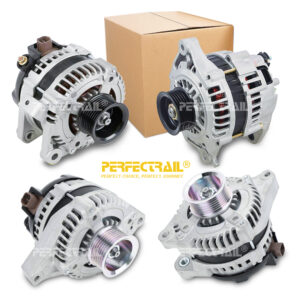
The alternator is a critical component in any vehicle’s electrical system, converting mechanical energy from the engine into electrical energy to charge the battery and power electrical systems. For Land Rover owners, alternator failure can lead to a host of issues, from a dead battery to dimming lights and a failure to start. For B2B buyers in the automotive industry, sourcing the correct alternator and ensuring compatibility with the vehicle’s charging system is essential for avoiding costly returns and improving customer satisfaction.
Quick links for B2B buyers:
1) What Does a Car Alternator Do?
The alternator is part of the vehicle’s charging system. It converts mechanical energy from the engine into electrical energy, powering electrical components like lights, radio, and the vehicle’s climate control system. The alternator also charges the battery while the engine is running, ensuring that the battery maintains a full charge for starting the vehicle.
In most modern Land Rover models, alternators are integrated with the vehicle’s electronics and are designed to handle high electrical loads, especially in vehicles with advanced features like air conditioning, infotainment systems, and numerous safety sensors. As such, a reliable alternator is critical to the vehicle’s overall performance and reliability.
2) Google Hot Topics: What Buyers Search Most
These search topics are the most common high-intent queries that buyers have when it comes to Land Rover alternators:
- “Alternator replacement cost” – Buyers often want a ballpark figure for replacing a faulty alternator in their vehicle.
- “Alternator not charging” – A common issue that signals either a faulty alternator or an issue with the electrical connections.
- “Alternator noise” – A whining or grinding sound can be a sign of a worn-out bearing or failing alternator.
- “Alternator not charging at idle” – A common issue in older vehicles or those with worn alternator components.
- “Alternator fuse or relay issue” – Fuses or relays can fail, causing the alternator to stop functioning properly.
B2B buyers and workshop chains should be aware of these common failure symptoms when diagnosing or sourcing alternators for their clients.
3) Common Symptoms of Alternator Failure
3.1 Warning Lights
One of the first symptoms of a failing alternator is the illumination of the battery warning light on the dashboard. If the alternator is not charging the battery, this light will often appear. This can also be triggered by issues with the alternator’s voltage regulator.
3.2 Dim or Flickering Lights
If the alternator is not generating enough power, it may cause the vehicle’s headlights and interior lights to dim or flicker. This can happen more often at low idle speeds when the alternator isn’t turning fast enough to charge the battery fully.
3.3 Dead Battery
If the battery isn’t being charged properly, it may die quickly after being used. A faulty alternator is a leading cause of premature battery failure.
3.4 Unusual Noises
Grinding or whining noises coming from the engine bay can be a sign of a worn-out alternator bearing. If the alternator is not spinning smoothly, it can generate these sounds.
3.5 Electrical Failures
A failing alternator can cause the vehicle’s electrical systems to malfunction. For example, issues with the radio, air conditioning, or other accessories could be an indicator that the alternator is no longer providing enough power.
4) Alternator Diagnostics: How to Troubleshoot
4.1 Check the Battery Voltage
Start by checking the battery voltage with a multimeter. A healthy alternator will produce a voltage reading of around 13.8 to 14.5 volts while the engine is running. If the voltage is below this, the alternator may be failing.
4.2 Inspect the Alternator Belt
A loose or worn alternator belt can cause the alternator to spin too slowly or not at all, leading to a charging failure. Inspect the belt for wear or cracks and ensure it is properly tensioned.
4.3 Test the Alternator’s Output
If you suspect the alternator is faulty, use a voltmeter to test the alternator’s output at the battery terminals. If the output is below 13.8 volts, the alternator is likely failing.
4.4 Check for Electrical Connections
Ensure that all electrical connections to the alternator are clean, tight, and free from corrosion. A loose connection can prevent the alternator from properly charging the battery.
5) B2B Sourcing Checklist for Alternators
When sourcing alternators for B2B customers, ensure you have the following details to avoid misorders:
- OE Number: Always request the OEM part number to ensure compatibility with the Land Rover model.
- Vehicle Information: Confirm the model, year, and engine type of the vehicle to verify alternator compatibility.
- Voltage and Amperage: Ensure the alternator meets the necessary voltage and amperage requirements for the vehicle’s electrical systems.
- Brand and Warranty: Offer trusted brands with long warranty periods for B2B buyers, ensuring quality and reliability.
6) FAQ (High-Intent Queries)
How can I tell if my alternator is bad?
Common signs of a bad alternator include warning lights, dimming lights, dead batteries, unusual noises, and electrical system failures.
How much does it cost to replace an alternator in a Land Rover?
The cost of replacing an alternator in a Land Rover can vary depending on the model and alternator brand. Typically, alternator replacements range from $400 to $800, including parts and labor.
Can I drive with a bad alternator?
It’s not recommended to drive with a bad alternator. Without a working alternator, the vehicle will quickly drain the battery, leading to a complete loss of power.
How do I replace an alternator?
Replacing an alternator involves removing the old unit, installing the new one, and ensuring that the alternator belt is correctly fitted. It’s recommended to consult the vehicle’s service manual or hire a professional mechanic for the replacement.