PERFECTRAIL | Land Rover Parts Supplier (B2B)
Land Rover 4×4 Off-Road Modification Guide: Smart Upgrades for B2B Buyers
Off-road modification demand keeps growing in Land Rover channels, but the biggest commercial wins are rarely “extreme builds.”
For distributors and workshop chains, the best strategy is a reliable upgrade stack: wheels/tires, suspension geometry control,
underbody protection, recovery hardware, and cooling/braking reliability parts. This approach improves conversion, reduces warranty disputes,
and builds repeat fleet/workshop orders.
1) Google Hot Topics in Land Rover Off-Road Mods
For SEO and conversion, these are the topic clusters that repeatedly attract off-road buyers:
- Lift kit + tire size fitment (clearance, rubbing, articulation)
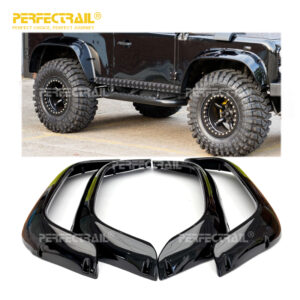
- Wheel arch trimming / flares for larger tire setups
- Skid plates and underbody armor for rock and trail impact protection
- Recovery setup (tow points, winch-compatible front end)
- Cooling reliability under low-speed, high-load off-road conditions
- Brake and drivetrain durability for heavy use and descents
These patterns align with what aftermarket guides and owner communities discuss most often: tires first, then protection/recovery, then reliability systems. :contentReference[oaicite:0]{index=0}
2) Stage 1 Upgrades: Tires, Wheels, Basic Clearance
2.1 Tire and wheel strategy comes first
In real-world builds, tire/wheel choice usually delivers the biggest off-road performance gain per dollar.
This is why “best off-road tire size” and “no lift tire fitment” are constantly searched.
2.2 Conservative lift + geometry awareness
Lift kits can improve breakover and approach/departure angles, but over-lifting without geometry correction can hurt handling and component life.
For B2B channels, a conservative and repeatable package often outsells extreme setups because it lowers complaint rates.
2.3 Wheel arch and clearance management
If customers move to larger tires, wheel arch clearance, liner shape, and flare compatibility become immediate fitment issues.
Offer matching arch/flare solutions with tire packages to reduce post-install friction complaints.
3) Stage 2 Upgrades: Protection, Recovery, Water/Heat Control
3.1 Underbody protection
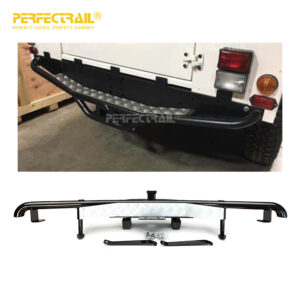
Skid protection and vulnerable-area shielding are among the highest-value upgrades for mixed trail use.
These parts prevent expensive downtime from impact damage and are ideal for B2B upsell bundles.
3.2 Recovery-ready setup
Recovery points and winch-compatible front-end systems are high-intent products because they solve “stuck vehicle” risk directly.
Even buyers who skip a winch initially often want recovery-ready infrastructure.
3.3 Cooling system hardening
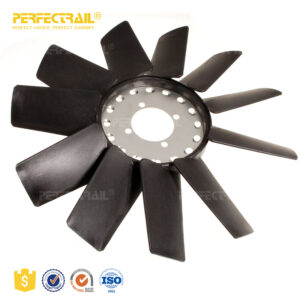
Off-road driving often means low-speed airflow + high thermal load. That increases demand for reliable cooling parts
(radiator-related components, expansion tank stability, fan performance, hose integrity), especially in hot regions.
PERFECTRAIL’s own cooling-focused content also reflects this demand trend in B2B inquiries. :contentReference[oaicite:1]{index=1}
4) Stage 3 Upgrades: Load, Touring, and Reliability
4.1 Braking for heavier off-road setups
Added tire mass, roof load, and trail descents increase braking demand. Brake service parts and heat-resistant consumables are practical, recurring B2B lines.
4.2 Drivetrain and fluid maintenance focus
Differential/transmission fluid condition and seal health are frequent failure points in hard-use vehicles.
Preventive maintenance bundles (filters, seals, cooling ancillaries) often outperform one-off repair sales.
4.3 Electrical reliability for expedition users
Touring and recovery builds depend on stable power distribution and weather-resistant connectors.
For wholesalers, clear product labeling and connector-level compatibility support are key differentiators.
5) Street Legality, Compliance, and Risk Control
Regulations on lift height, tire protrusion, lighting, and bumper/winch configurations vary by country/state.
A configuration that is legal in one market may fail inspection in another.
Build your sales process around “local compliance confirmation before shipment.”
- Confirm target market regulations for lift/tire/track width
- Avoid selling road-use setups that remove required safety equipment
- Use written customer confirmation for market-specific compliance responsibility
This is especially important for export wholesalers serving multiple jurisdictions. :contentReference[oaicite:2]{index=2}
6) B2B Sourcing Checklist for Land Rover Off-Road Modification Parts
6.1 RFQ data you should always request
- Vehicle identity: model, platform code, year, engine, drivetrain
- Use scenario: rock trail, mud, sand, overland touring, mixed on/off-road
- Target tire size: determines lift/arch/steering and clearance requirements
- Load profile: roof load, towing, bumper/winch weight
- Compliance market: country/state inspection standard
6.2 SKU strategy that improves margin and lowers returns
- Sell kit logic instead of isolated parts (e.g., tire + arch + suspension correction items)
- Bundle reliability companions (cooling, braking, service consumables)
- Define traceable QC labels (OE reference, application, batch code)
- Use export-safe packaging for bulky/off-road body parts to reduce shipping damage claims
Request a Land Rover Off-Road Build RFQ
Send your target model/platform, tire size plan, intended terrain, and order quantities.
PERFECTRAIL can support a wholesale-ready parts list with MOQ and lead time.
FAQ (High-Intent Queries)
What is the first mod I should do on a Land Rover 4×4?
Usually wheels/tires, because traction and sidewall setup have the largest immediate effect. Then add protection and reliability upgrades based on terrain use.
Do I need a lift kit for off-road use?
Not always. Many users start with tire fitment and only add a moderate lift if needed for clearance and articulation goals.
Why do many off-road builds overheat in slow terrain?
Low-speed crawling reduces airflow while engine load remains high, so cooling system health becomes critical (fan performance, coolant stability, radiator condition).
How can B2B buyers reduce returns on modification parts?
Standardize RFQ inputs (platform/year/tire size/use-case/compliance market), sell package-based solutions, and verify fitment before shipment.