Introduction:
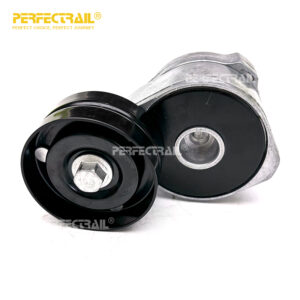
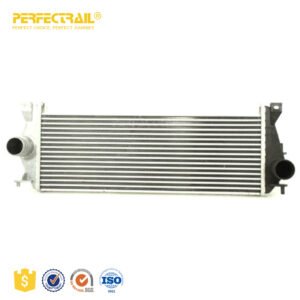
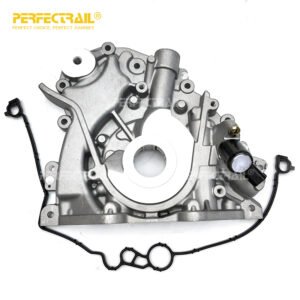
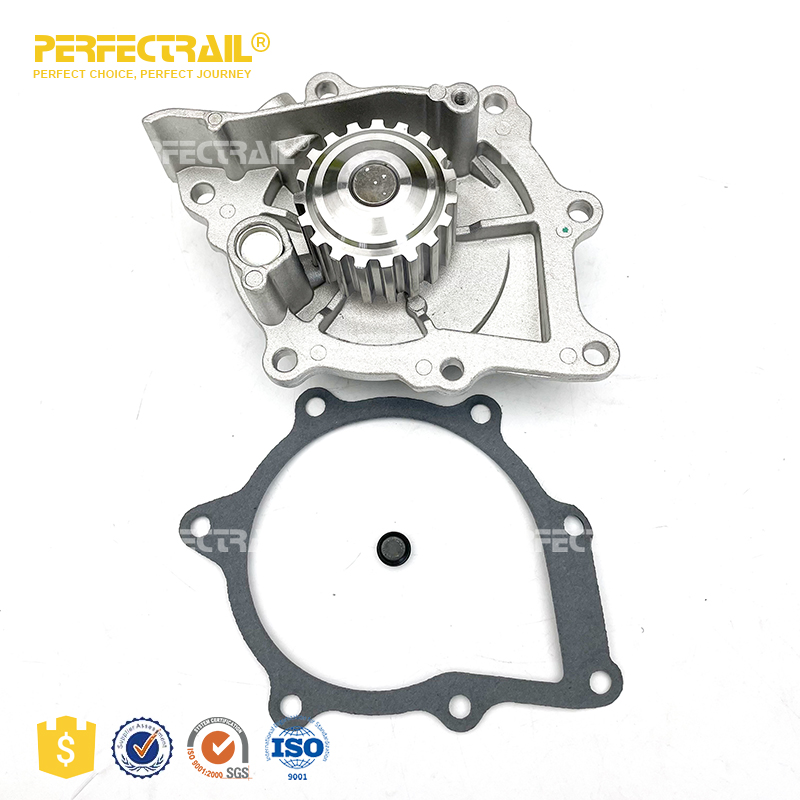
Keeping your car’s engine from overheating is a critical job, and the water pump is the unsung hero making it happen. The water pump is a critical component of your vehicle’s cooling system, ensuring that the engine operates within the optimal temperature range. This article will delve into the working principles of a car water pump and highlight high-quality replacement options from PERFECTRAIL, a trusted supplier of Land Rover parts.
-
Why the Water Pump is Essential
Simply put, your car’s engine generates immense heat through combustion. Without an efficient cooling system, this heat would quickly destroy internal components. The cooling system circulates coolant (a mixture of antifreeze and water) to absorb engine heat and dissipate it through the radiator. The water pump is the heart of this system, constantly circulating the coolant.
-
Core Components of a Car Water Pump
Before understanding the process, know the key parts:
-
Impeller: A rotating fan-like component (usually made of metal or plastic) with curved blades. This is the primary mover of coolant.
-
Housing: The outer casing that contains the impeller and directs coolant flow.
-
Shaft: Connects the impeller to the drive mechanism.
-
Drive Mechanism: How the pump gets its power:
-
Belt-Driven (Most Common): Connected via the engine’s serpentine belt or timing belt/chain.
-
Electric (Increasingly Common): Powered directly by the car’s electrical system, allowing more precise control.
-
-
Seal: A critical component preventing coolant from leaking out along the shaft.
-
Bearings: Allow the shaft and impeller to rotate smoothly with minimal friction.
-
-
How Your Car’s Water Pump Works: Step-by-Step
Here’s the continuous cycle powered by your water pump:
-
Coolant Intake: Coolant enters the center (eye) of the water pump housing, typically drawn from the bottom radiator hose or directly from the engine block.
-
Impeller Action: As the engine runs, it drives the water pump’s shaft (via belt or electrically). This spins the impeller at high speed (often between 500 and over 3000 RPM).
-
Centrifugal Force: The spinning impeller blades use centrifugal force. They fling the coolant outward from the center towards the outer edges of the pump housing.
-
Pressure Creation & Outflow: This outward flinging action creates pressure. The curved shape of the housing (volute) captures this pressurized coolant and directs it efficiently out through the pump’s discharge port.
-
Coolant Circulation: The pressurized coolant leaving the pump is forced:
-
Through the Engine Block and Cylinder Head(s): It travels through passages (water jackets) surrounding the cylinders and combustion chambers, absorbing heat.
-
To the Radiator: Hot coolant exits the engine and flows into the top of the radiator.
-
Heat Dissipation: As coolant flows down through the radiator’s thin tubes, airflow (from driving or the radiator fan) cools it down.
-
Back to the Pump: Cooled coolant collects in the radiator’s bottom tank and exits via the bottom hose, returning to the water pump’s inlet to start the cycle again.
-
-
Thermostat Regulation: A thermostat acts as a valve between the engine and radiator. When the engine is cold, the thermostat remains closed, forcing coolant to recirculate only within the engine block (bypassing the radiator) for faster warm-up. Once the engine reaches operating temperature, the thermostat opens, allowing coolant to flow through the radiator for full cooling.
-
-
Coolant Flow Path Summary
Stage Location Coolant State Action 1. Intake Pump Inlet Cool(er) Coolant enters the center of the pump. 2. Pressurization Pump Housing Pressurized Impeller spins, flinging coolant outward via centrifugal force. 3. Discharge Pump Outlet Pressurized Coolant forced out under pressure. 4. Engine Cooling Engine Block/Head Passages Heating Up Circulates through water jackets, absorbing engine heat. 5. Heat Release Radiator Core Cooling Down Flows through radiator tubes; heat transferred to air passing over tubes. 6. Return Bottom Radiator Hose Cool(er) Cooled coolant flows back to pump inlet to restart the cycle. -
Critical Water Pump Performance Data
Parameter Typical Range/Value Importance Drive Speed 500 – 3000+ RPM Directly proportional to coolant flow rate. Higher engine RPM = faster pump speed. Flow Rate 30 – 120+ liters per minute Must be sufficient to move enough coolant to absorb and carry away engine heat. Pressure 10 – 15 psi (approx.) Generated by impeller to overcome system resistance and ensure circulation. Temp Handling Up to 120°C+ (Coolant Temp) Must withstand sustained high temperatures of the coolant it circulates. -
Signs Your Water Pump Might Be Failing
-
Coolant Leak: Visible drips (often green, orange, pink, or blue) under the front/center of the car. A tell-tale sign is a leak from the “weep hole” – a small vent designed to show seal failure.
-
Overheating Engine: The most dangerous symptom, caused by insufficient coolant circulation.
-
Whining or Grinding Noise: Often indicates worn bearings inside the pump.
-
Steam from Engine Bay: Sign of leaking coolant hitting hot engine parts.
-
Wobbling Pulley: If the pump is belt-driven, worn bearings can cause the pulley to wobble noticeably while running.
-
-
Maintaining Your Water Pump
-
Follow Coolant Change Intervals: Old, degraded coolant loses its lubricating and anti-corrosion properties, accelerating pump seal and bearing wear. Change coolant as specified in your owner’s manual (often every 30,000 – 60,000 miles or 2-5 years).
-
Use Recommended Coolant: Always use the type specified for your vehicle.
-
Inspect Belts: For belt-driven pumps, regularly check the serpentine or timing belt for cracks, fraying, or tension. A failing belt can stop the pump instantly. Replace timing belts ON SCHEDULE – if it breaks, it often destroys the engine, and the water pump is frequently replaced simultaneously as it’s driven by the same belt and requires similar labor to access.
-
Address Leaks Promptly: Any coolant leak needs immediate attention to prevent overheating and pump failure.
-
Conclusion: The Circulatory System’s Heart
Understanding the working principle of your car’s water pump and recognizing signs of failure are essential for maintaining engine health. When replacement is necessary, choosing a reliable supplier like PERFECTRAIL ensures you receive high-quality, compatible parts that keep your Land Rover running smoothly. Trust in their expertise and extensive inventory to meet your vehicle’s needs.
Get the best quality engine parts for your Land Rover with PERFECTRAIL today!